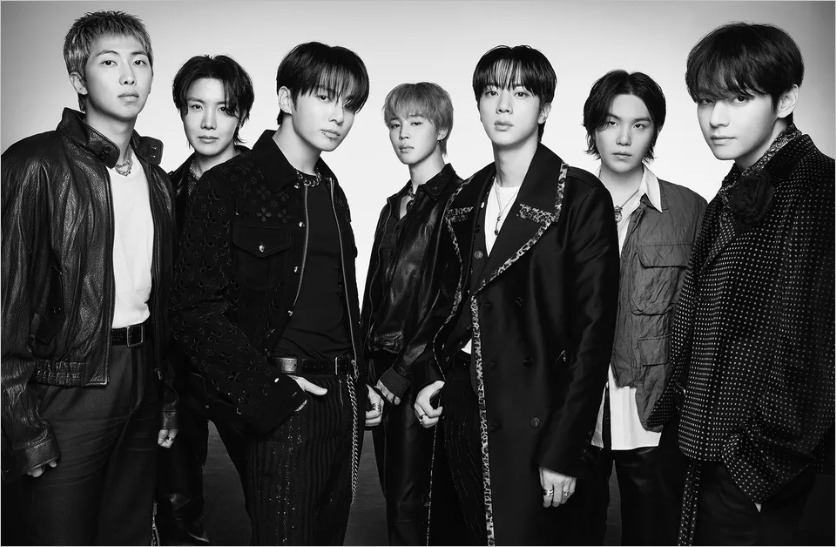
In 2003, a Korean man walked the streets of New York carrying a backpack of demo CDs. Twenty copies, handmade.
Back in Korea, he was one of the biggest names in music — a producer, a hitmaker. But in America, nobody recognized him. He kept knocking on doors that did not open.

His name was Park Jin-young. Beside him walked a young composer named Bang Si-hyuk — the man who would one day build BTS.
At that time, neither of them knew what this failure would become.
Korea’s Big 3 Tried America
By the mid-2000s, the Korean Wave had already swept across Asia. Japan was deeply into Korean dramas and music. China was following close behind. But America was a different story — a wall that no Asian artist had broken.
The three largest entertainment companies in Korea — SM, YG, and JYP — all shared the same goal: to break into America, the home of pop music.
SM Entertainment sent BoA in 2008. She released an English album titled BoA, working with American producers including the writers behind Britney Spears tracks. She entered the Billboard 200 at number 127.
YG Entertainment sent Se7en in 2009 with the single “Girls,” featuring rapper Lil’ Kim and produced by Rodney “Darkchild” Jerkins — the same producer behind Beyoncé’s hits.
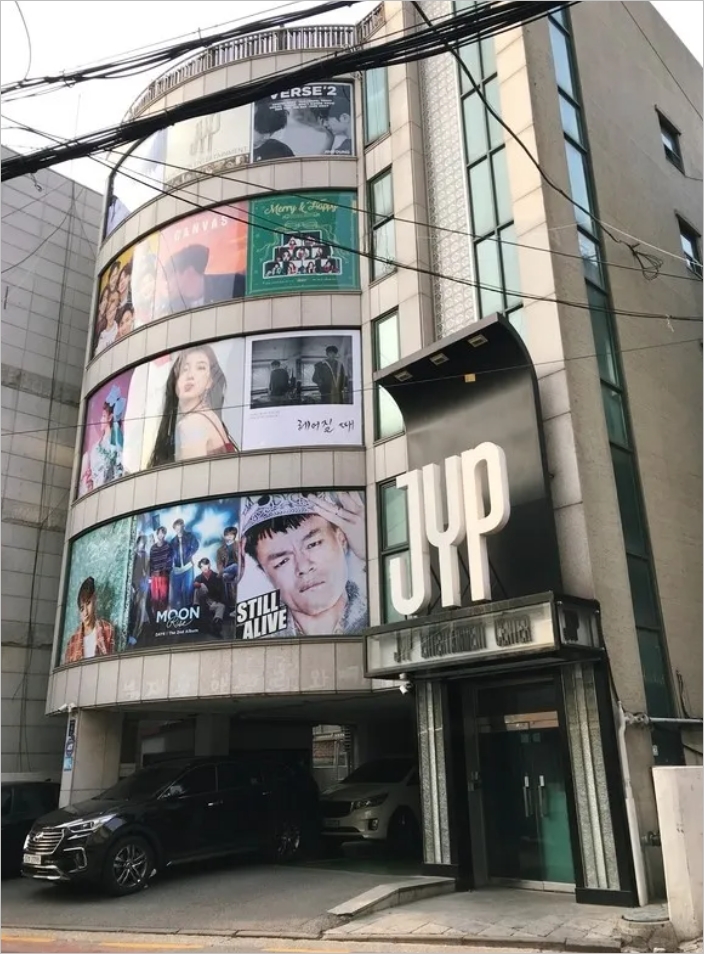
JYP had started even earlier. In 2006, Park Jin-young brought Rain to Madison Square Garden in New York. The show sold out. P. Diddy showed up as a guest. The New York Times covered it. Then in 2009, the Wonder Girls toured the United States with the Jonas Brothers. They became the first Korean act to enter the Billboard Hot 100, reaching number 76 with “Nobody.”
By every measure, it should have worked. The best artists. The biggest producers. The most famous stages. But the American market did not respond.
Park Jin-young’s Twelve Years in America
Park Jin-young’s move into America was not sudden. It had been prepared for years.
In 2003, he moved to the United States himself. He stayed at a friend’s house. He refused to use company money. The JYP board had advised him that it was a bad idea, so he paid for everything on his own. He visited record labels day after day. Most of the doors did not open.
In a market where Asian artists were almost invisible, even the most talented Korean musicians faced the same wall. America was not ready to accept them as equals. Park Jin-young later said that breaking through as an Asian artist in America was nearly impossible, and that for an Asian male artist, it was even harder.
Beside him during much of this time was Bang Si-hyuk, then a staff composer at JYP. He went through the same rejections. He saw the same doors stay shut. He learned the same hard lessons about what America would accept and what it would not.
JYP officially established a U.S. corporation in 2006. The corporation ran at a loss of 1 to 2 billion Korean won every year. In 2018, after twelve years of losses, it was shut down.
What Park Jin-young Really Taught
Most people outside Korea do not know this about Park Jin-young.
He trained his artists in singing and dancing. But he considered something else just as important, perhaps more important. Character. Mental health. The way a person carries themselves.
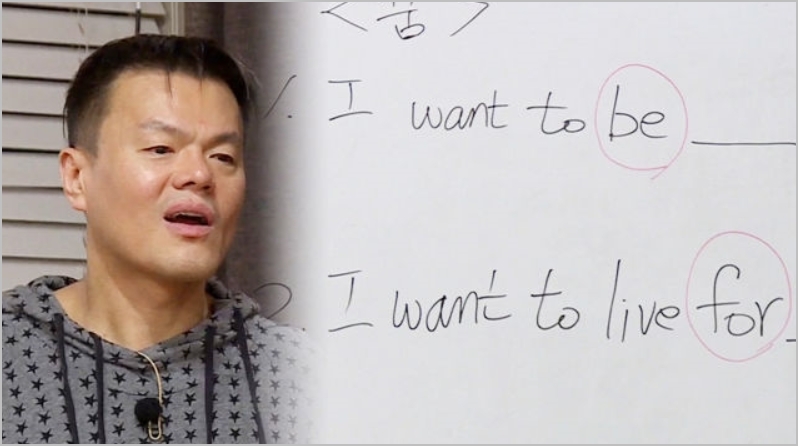
One principle he repeated constantly: “Be the same person whether the camera is on or off.”
On the surface, that sounds rigid. Almost controlling. But think about what it actually means. If you have nothing to hide — if your words, your actions, and your values are consistent whether anyone is watching or not — then you are truly free. You don’t have to manage your image. You don’t have to remember which version of yourself you’re performing today. You just have to be yourself, everywhere, all the time.
That philosophy didn’t cage his artists. It set them free.
And he didn’t just preach it. He lived it — even with the people closest to him.
This philosophy also reached Japanese viewers through the audition program Nizi Project, where it deeply moved them and became widely talked about.
The Question American Parents Were Asking
To understand why BTS succeeded where everyone else failed, one needs to understand something about the American pop landscape in the 2010s.
American pop music had brilliance, but there were also artists who expressed themselves through explicit lyrics and provocative imagery. For parents, this was something to pay attention to.
Then BTS arrived. Their music talked about mental health, about self-acceptance, about the pressures of growing up, the fear of failure, and the courage it takes to love yourself. Songs like “Love Yourself” and “Spring Day” carried positive messages for teenagers at a sensitive age. Parents could not help but welcome them.
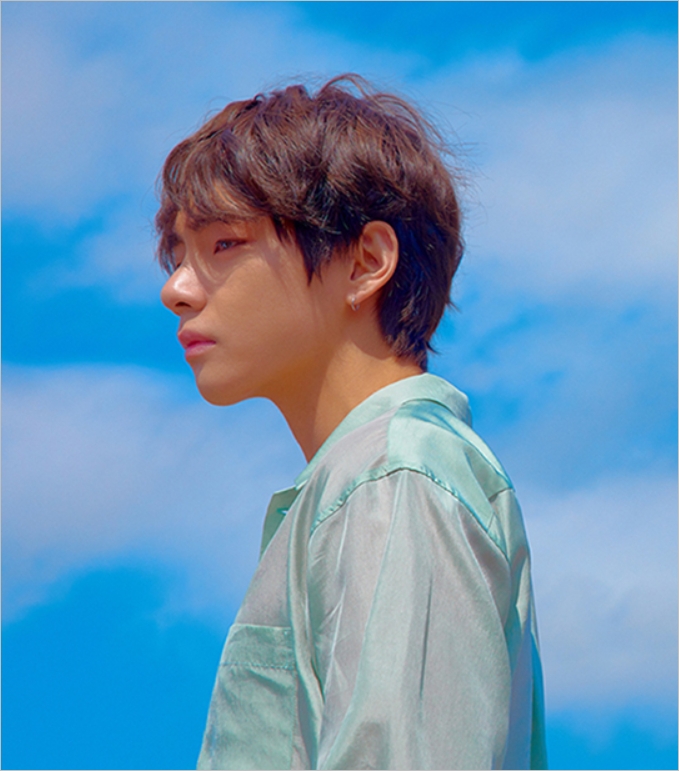
The true value of BTS was not first recognized by Koreans. It was young people abroad — millennials and Gen Z — who built the initial explosion. Through Twitter, YouTube, fan forums, and streaming campaigns, ARMY did not just listen to BTS. They organized, they mobilized, and they created one of the most powerful and self-directed fan movements the music industry had ever seen.
The parents came later. When a teenager said “Mom, I love BTS,” the response wasn’t panic. It was curiosity. Parents listened. And then something unexpected happened — they got hooked too.
That’s how BTS built a fanbase spanning teenagers, parents, and grandparents. The young generation ignited it. But the message was clean enough, and deep enough, that it spread across every age group without losing anyone along the way.
MRC Data confirmed it: BTS had meaningful fanbases even in the 50s and 60s age demographic. That almost never happens in pop music.
The Irony That Changed K-pop History
I was watching this change happen in real time.
Long before K-pop became a global phenomenon, I was the kind of person who stayed up until 3am searching for foreign reaction videos to Korean music. Not because there were many. Because there were so few.
Back then, when a foreign reactor actually clicked on a K-pop video, their energy was completely different from today. There was no excitement, no anticipation. It was more like, “Okay, someone recommended this. Let’s see what this is about.” Curious, but skeptical. The kind of curiosity a person has when they are not sure if something is worth their time.
And then everything changed.
Now, when a major Korean artist releases a new music video, reaction videos appear in other countries faster than they do in Korea. Reactors are no longer waiting to be convinced. They are racing each other to be first. The skepticism is gone. In its place are genuine excitement, genuine love, and genuine anticipation.
That shift, from “let’s see what this is” to “I need to watch this right now,” is the real measure of what BTS did. Not the Billboard charts. Not the Grammy nominations. This shift.
Here is the irony.
Park Jin-young spent years in America trying to break through in a market that was not ready for him. He did everything that conventional wisdom called “right.” English songs, American producers, American stages. And he failed.
BTS did the opposite. They sang in Korean. They talked openly about their struggles. They showed their tears, their exhaustion, their doubts. They were, in every sense, the same people whether the camera was on or off.
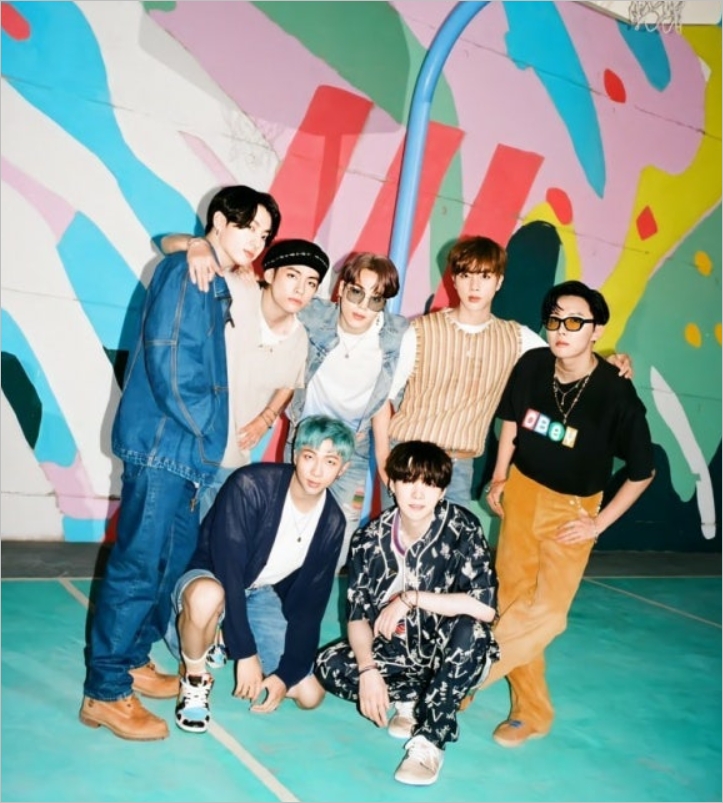
And America fell in love with them.
Was it just BTS’s talent? No. The timing mattered. YouTube had changed how music spread globally. Korea’s own cultural and economic rise played a role. The unstoppable energy of a generation of young fans who refused to be ignored made it happen. And there was an element of luck that no one can fully explain.
But running through all of it was something that had started much earlier. A belief that authenticity matters, that character matters, that the person someone is offstage is just as important as the performance they give onstage. That belief had been tested in failure, refined over years, and passed in one form or another from one generation of Korean music makers to the next.
Park Jin-young failed to conquer America. But what he passed on, beside a young composer named Bang Si-hyuk during those years of failure, eventually became something neither of them could have imagined.
P.S.
In 2023, Bang Si-hyuk recalled a moment from the days when he was running his own company. He had been turning to Park Jin-young for business advice.
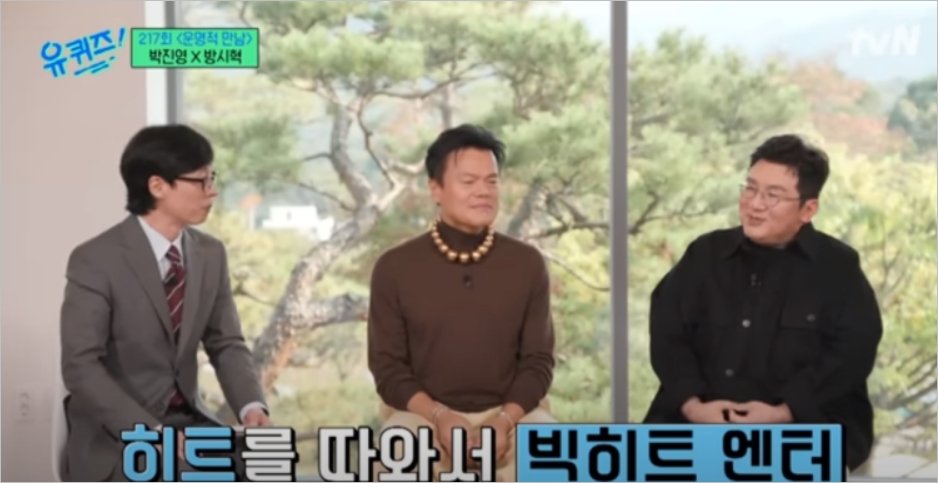
One day, Park Jin-young told him:
“Why do you only talk about business these days? You’re a musician. A musician should be talking about music.” (Yu Quiz on the Block, tvN, November 2023)